
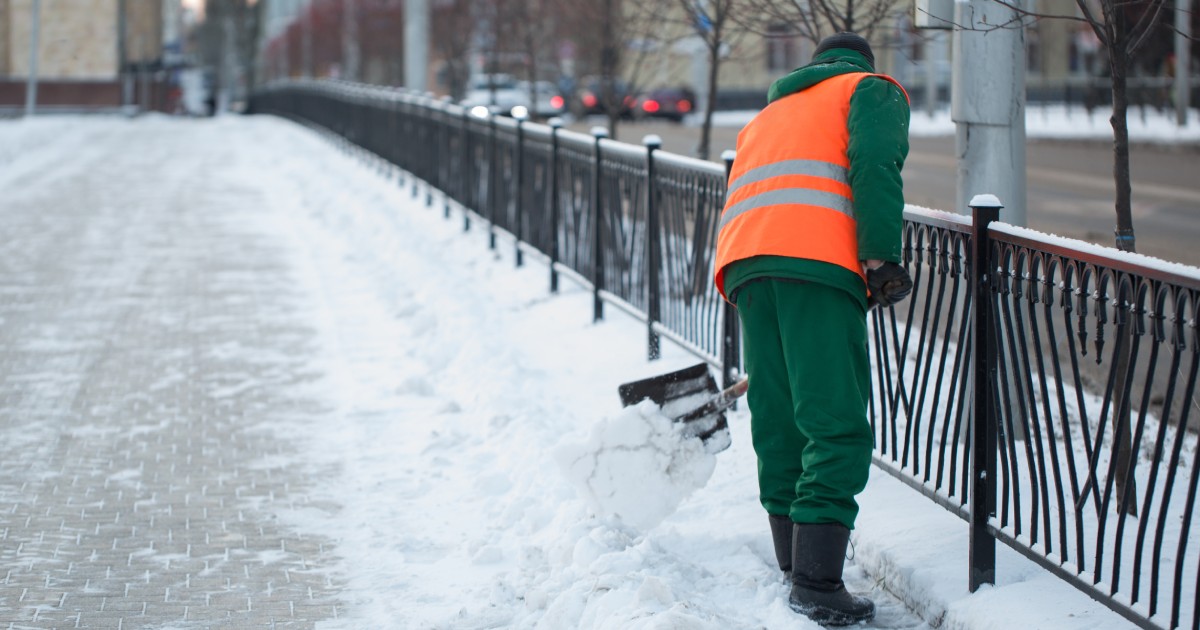
Slips and falls increase during winter. Learn who may be legally responsible for injuries caused by ice, snow, and unsafe property conditions in New York.
Winter in New York brings more than cold temperatures and Valentine’s Day outings—it brings dangerous conditions that cause a sharp rise in slip and fall injuries. Icy sidewalks, snow-covered entrances, untreated parking lots, and poorly maintained walkways are common hazards throughout New York City and across New York State.
As foot traffic increases near restaurants, apartment buildings, offices, and retail spaces, many New Yorkers are left asking an important question: If I slipped on ice or snow, who is legally responsible?
Under New York personal injury law, the answer often depends on property ownership, maintenance obligations, and timing.
Why Winter Slip and Fall Accidents Are So Common in New York
New York winters create ideal conditions for accidents. Snowstorms, freezing rain, and temperature fluctuations often result in ice that refreezes overnight, even after initial cleanup.
Common winter accident locations include sidewalks outside apartment buildings and businesses, building entrances and lobbies, parking lots and garages, and staircases, ramps, and loading areas.
These winter accidents frequently cause broken bones, head injuries, spinal injuries, and long-term mobility issues. They are not minor incidents—and they are often preventable.
Who Is Legally Responsible for Snow and Ice Injuries?
Slip and fall cases involving snow and ice fall under premises liability, a core area of personal injury law in New York. Property owners, landlords, and managers have a legal duty to maintain their premises in a reasonably safe condition.
This duty typically includes timely snow removal, salting or sanding icy areas, keeping entrances and walkways safe, and addressing refreezing hazards.
If a property owner knew—or should have known—about dangerous snow or ice and failed to act, they may be held legally responsible.
The Reasonable Time Rule in New York
Property owners are not required to remove snow during an active storm. However, once a storm ends, owners must take action within a reasonable amount of time. What is considered reasonable depends on storm severity, time elapsed since snowfall ended, property use, and prior complaints or incidents.
New York City Sidewalk Liability
In New York City, sidewalk liability often rests with the adjacent property owner, not the city—especially for commercial and multi-unit residential buildings. If you slipped on an icy sidewalk outside a business or apartment building, the property owner may be responsible.
What to Do After a Winter Slip and Fall Accident
Seek medical care immediately, report the incident, photograph the conditions, gather witness information, and avoid speaking with insurance companies without legal guidance.
Click here for a confidential case review evaluation from The Personal Injury Law Firm of David J. Hernandez.
Compensation for Snow and Ice Injuries
A premises liability claim may allow compensation for medical expenses, lost wages, pain and suffering, rehabilitation, and long-term care.
Frequently Asked Questions
Who is responsible for snow and ice injuries in New York?
Property owners or managers who fail to clear hazards within a reasonable time may be liable.
How long do owners have to remove snow and ice?
A reasonable time after the storm ends, depending on conditions.
Can I file a claim for an icy sidewalk injury in NYC?
Yes, liability often rests with the adjacent property owner.
What injuries are common?
Fractures, head injuries, spinal injuries, and soft tissue injuries.
How do I know if I have a case?
If unsafe conditions caused your injury, you may have a valid claim.
Serving injury victims throughout New York City, including Manhattan, Brooklyn, Queens, the Bronx, Staten Island, and communities across New York State.